
Joseph R. Cashman is a digital marketing professional with 20+ years of experience assisting nonprofits, startups, and mid-sized and established organizations


A fractional marketing strategy needs to be more than a cool list of acronym's and buzz words. A valuable plan comes from connecting your business goals with customer research, an honsest assessment of your marketing resources/capabilities, and whether or not they are likely to move the needle. That may sound harsh and simplistic, but in practice, I've seen strategies fall short because they focus on lofty aspirations, and not what they can realistically prioritize, execute, and sustain. 1. Business Goals and Your Marketing Capabilities Before the creation of any campaign, I start by clarifying what your organization is actually trying to accomplish. Are you simply focused on lead generation/revenue growth, or launching something new, entering a different market, improving retention, building brand awareness, or addressing a marketing operation that is not delivering as expected? Once the goals are clear, I take a close look at the current marketing landscape by auditing your site analytics, current SEO positions, sales process, and available technologies, automation opportunities. The strategy must first identify any constraints, or gaps, in order to correctly make the right recommendations that fit your actual capabilities. 2. Understand the Audience, Market, and Buying Process

Scientific marketing takes more than marketing expertise. Learn how the right consultant bridges science, search, strategy, and customer value without losing accuracy.

Compare HubSpot, WordPress, and Squarespace for a growing organization. Learn when to integrate HubSpot, when to migrate, and what implementation really requires.

Compare a fractional digital marketing consultant, marketing director, agency, and in-house hire to find the right support model for your organization.
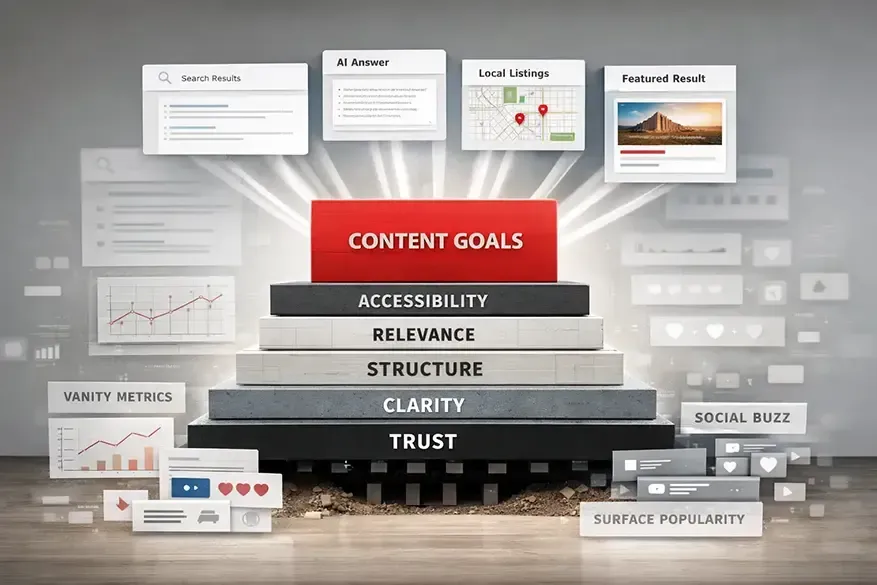
Search has changed, but strong SEO still matters. See what old signals matter less, what still counts, and why helpful content drives lasting visibility.

Learn digital marketing strategies to sustain ROI during downturns. Adapt to consumer behavior changes for continued success.

CASE STUDY: From the ashes of Therano's the Mitra Microsampler comes ahead as a viable, novel solution to capillary blood collection.

Learn how SEO impacts AI Summaries. What are some ways to improve your GEO? Learn some strategies here.

Learn how a website redesign improved the Southwest Fair Housing Council's online presence.

Cost-effective digital marketing strategies to boost ROI in uncertain times. Learn SEO content creation, repurposing, free analytics tools, and local SEO tips.